一、上午:接站、座谈交流与实验室参观
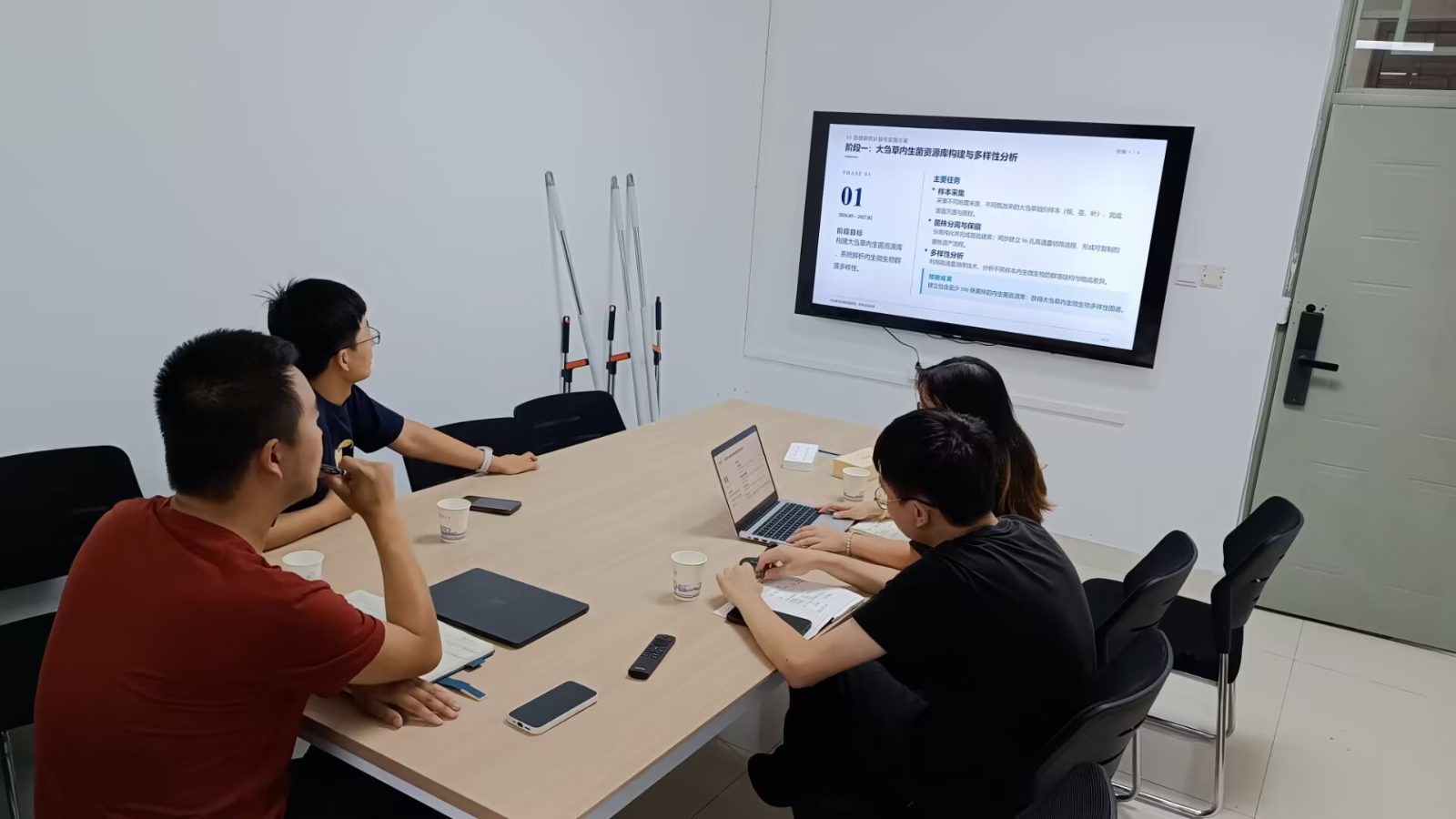
梁元可教授前往高铁站迎接张维肖博士,并驱车返回西南科技大学。抵达后,博士生任雪杨、硕士生刘紫烜与张维肖博士于东 9B‑22 会议室开展交流,双方围绕玉米抗病抗逆相关课题充分探讨,交换科研思路与试验实施经验。
I. Morning: Pick‑up, Discussion and Laboratory Tour
Prof. Yuanke Liang picked up Dr. Weixiao Zhang at the high‑speed railway station and drove back to Southwest University of Science and Technology. Upon arrival, Postdoc Xuemei Ren and master’s student Zixu Liu had academic discussions with Dr. Weixiao Zhang in Room 2‑22, East Building 9B. The two sides conducted in‑depth discussions on research topics related to maize disease and stress resistance, and exchanged research ideas and practical experimental experience.
随后张维肖博士与实验室教师共进午餐,就科研进展、研究生培养等内容开展轻松务实的沟通。午餐过后,在实验室成员陪同下,张维肖博士参观 i‑Microbiome Lab 科研平台,实地了解实验室仪器设备条件以及各课题组在研科研方向。
Subsequently, Dr. Weixiao Zhang had lunch with lab faculty members, engaging in relaxed and practical communications regarding research progress and postgraduate training. After lunch, accompanied by laboratory members, Dr. Zhang toured the research platforms of i‑Microbiome Lab to gain first‑hand insights into the lab’s instrument facilities and ongoing research projects of each research group.
二、下午:专题学术报告
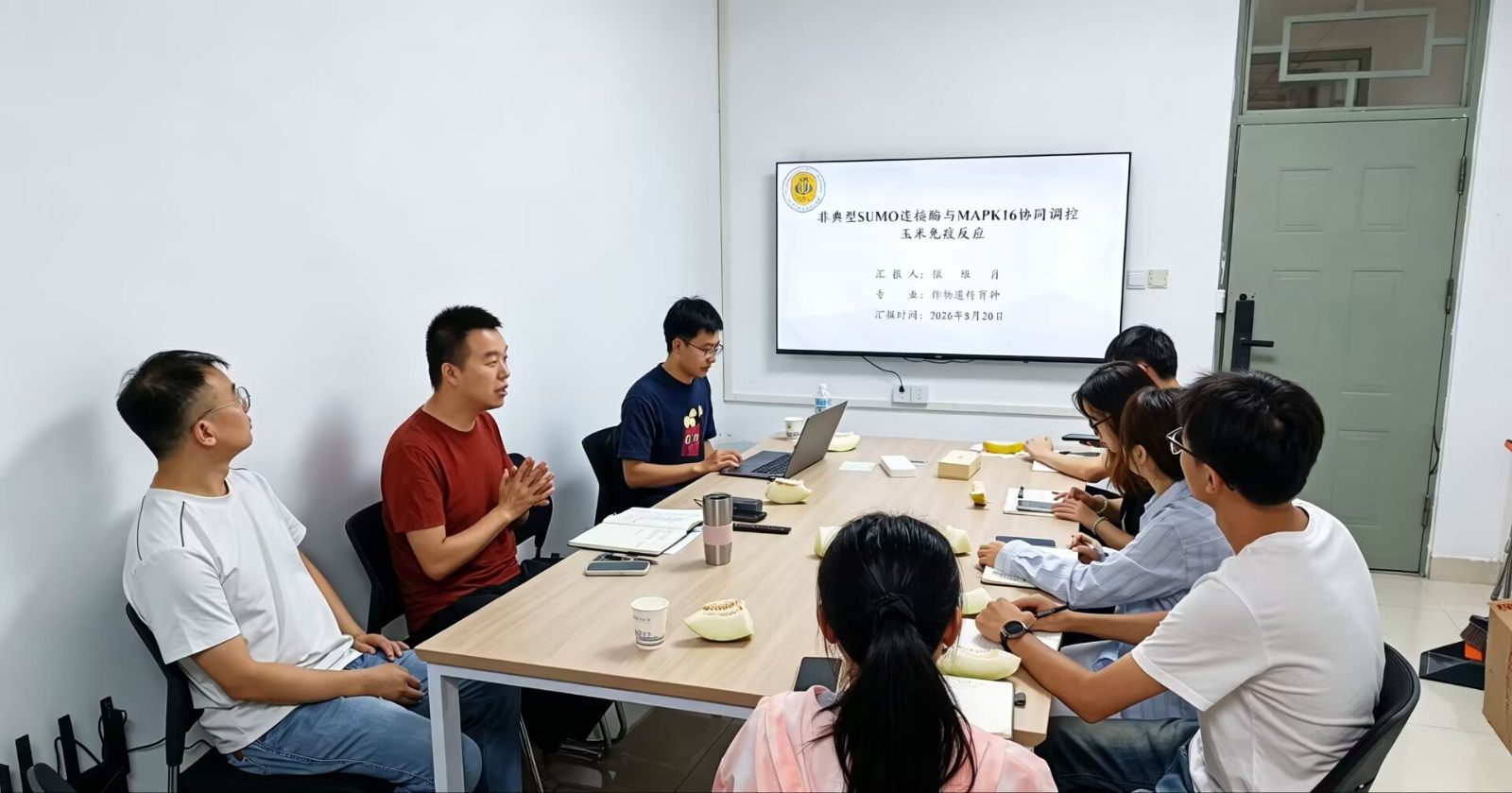
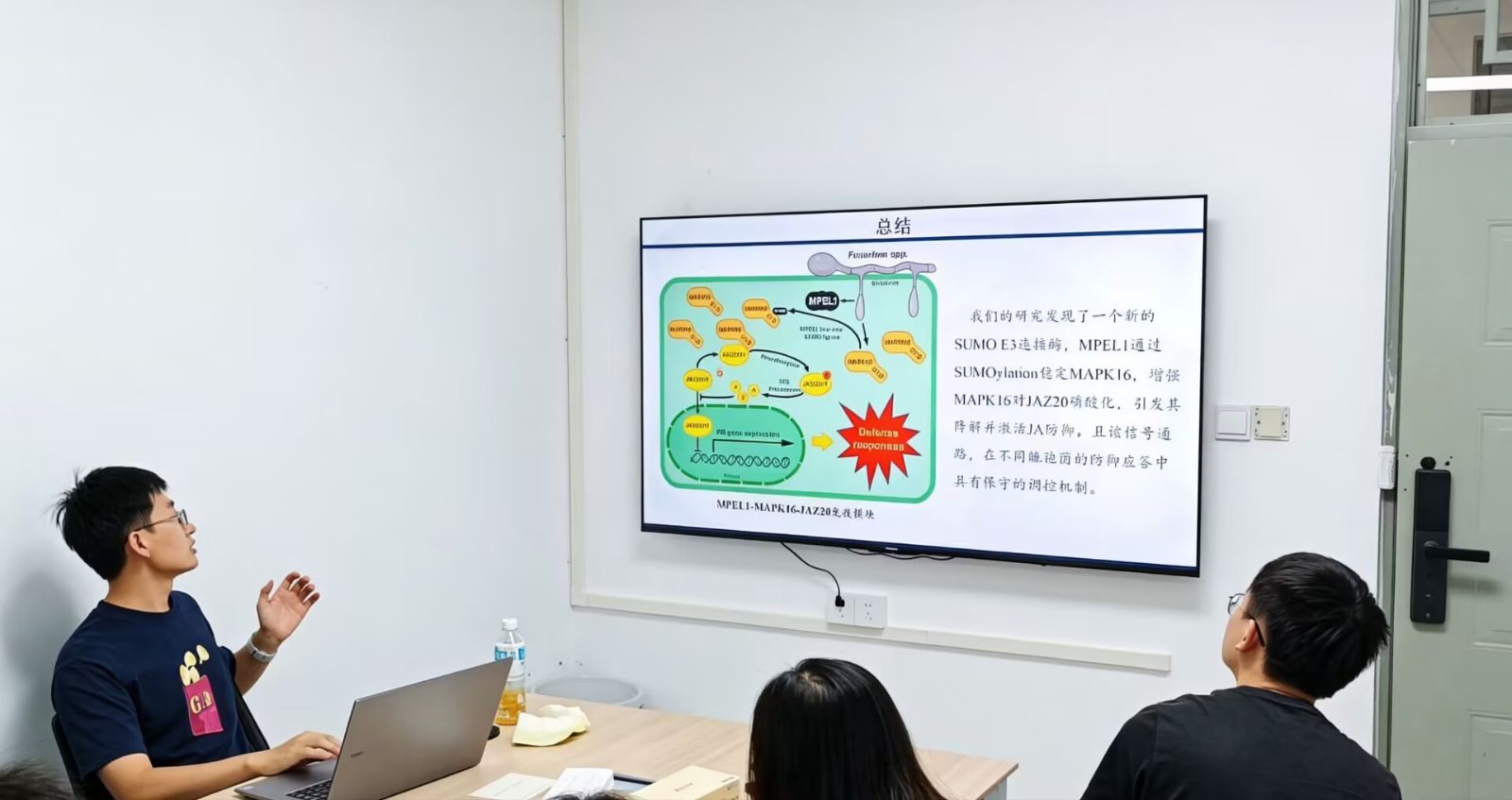
专题学术报告在东 9B‑22 会议室举行。报告题目为玉米抗镰孢菌及干旱胁迫响应的分子机制研究。
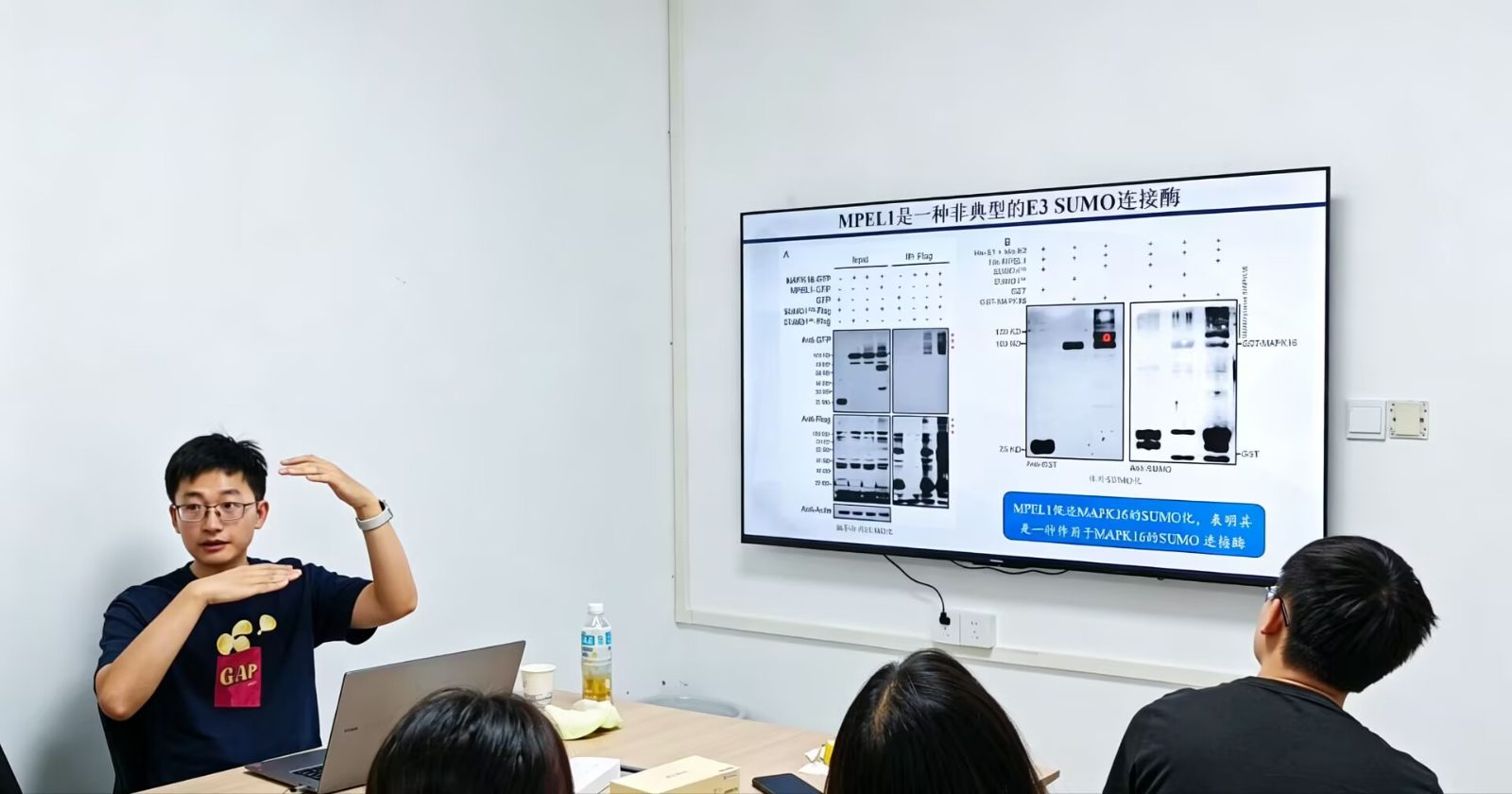
报告伊始,张维肖博士介绍个人研究背景。其为四川农业大学作物遗传育种专业博士研究生,师从卢艳丽教授与冯宣军副教授,主要围绕玉米抗病与抗逆分子机制开展研究,构建 “基因挖掘 — 信号通路 — 功能验证 — 育种应用” 完整研究范式。在抗病方向,系统解析玉米对镰孢菌引起穗腐病、茎腐病的分子抗性机制,挖掘 MPEL1‑MAPK16‑JAZ20 信号级联通路;同时揭示红光增强玉米抗拟轮枝镰孢菌的关键化合物。在抗逆方向,解析 LBD 转录因子家族 Ⅱ 类成员参与玉米、拟南芥干旱胁迫应答的分子机理。
报告主体部分,张维肖博士结合《The EMBO Journal》《iMeta》《The Plant Journal》等已发表研究成果,系统讲解玉米应对镰孢菌侵染与干旱胁迫的分子响应通路,介绍基因挖掘、遗传材料创制、表型鉴定、组学解析、基因功能验证整套研究体系,分享玉米广谱抗病、抗旱分子育种的关键基因资源,同时阐述当前研究存在的问题与后续研究规划。整场报告逻辑严谨,内容充实,参会师生认真聆听并做好记录。
II. Afternoon: Special Academic Report
The special academic report was held in Room 2‑22, East Building 9B, with the title Molecular Mechanisms of Maize Resistance to Fusarium and Drought Stress Response.
At the beginning of the report, Dr. Weixiao Zhang introduced his research background. He is a PhD candidate majoring in Crop Genetics and Breeding at Sichuan Agricultural University, supervised by Prof. Yanli Lu and Associate Prof. Xuanjun Feng. His research focuses on the molecular mechanisms of disease resistance and stress tolerance in maize, and he has established a complete research paradigm of **“gene mining — signal pathway analysis — functional verification — breeding application”**. For disease‑resistance research, he systematically dissected the molecular resistance mechanisms of maize against Fusarium‑caused ear rot and stalk rot, and identified the MPEL1‑MAPK16‑JAZ20 signaling cascade. Meanwhile, he revealed the key compound responsible for red‑light‑enhanced maize resistance to *Fusarium verticillioides*. For stress‑tolerance research, he deciphered the molecular mechanism of Class II members of the LBD transcription factor family in drought‑stress responses of maize and *Arabidopsis thaliana*.
In the main part of the report, drawing on his published findings in journals including *The EMBO Journal*, *iMeta* and *The Plant Journal*, Dr. Zhang systematically illustrated the molecular response pathways of maize upon Fusarium infection and drought stress. He presented the full research workflow covering gene mining, genetic material development, phenotypic characterization, omics analysis and gene functional verification. He shared key genetic resources for molecular breeding of broad‑spectrum disease resistance and drought tolerance in maize, and also discussed existing challenges and future research plans. The well‑structured and informative presentation was attentively followed and recorded by participating faculty and students.
三、报告结束:师生交流研讨
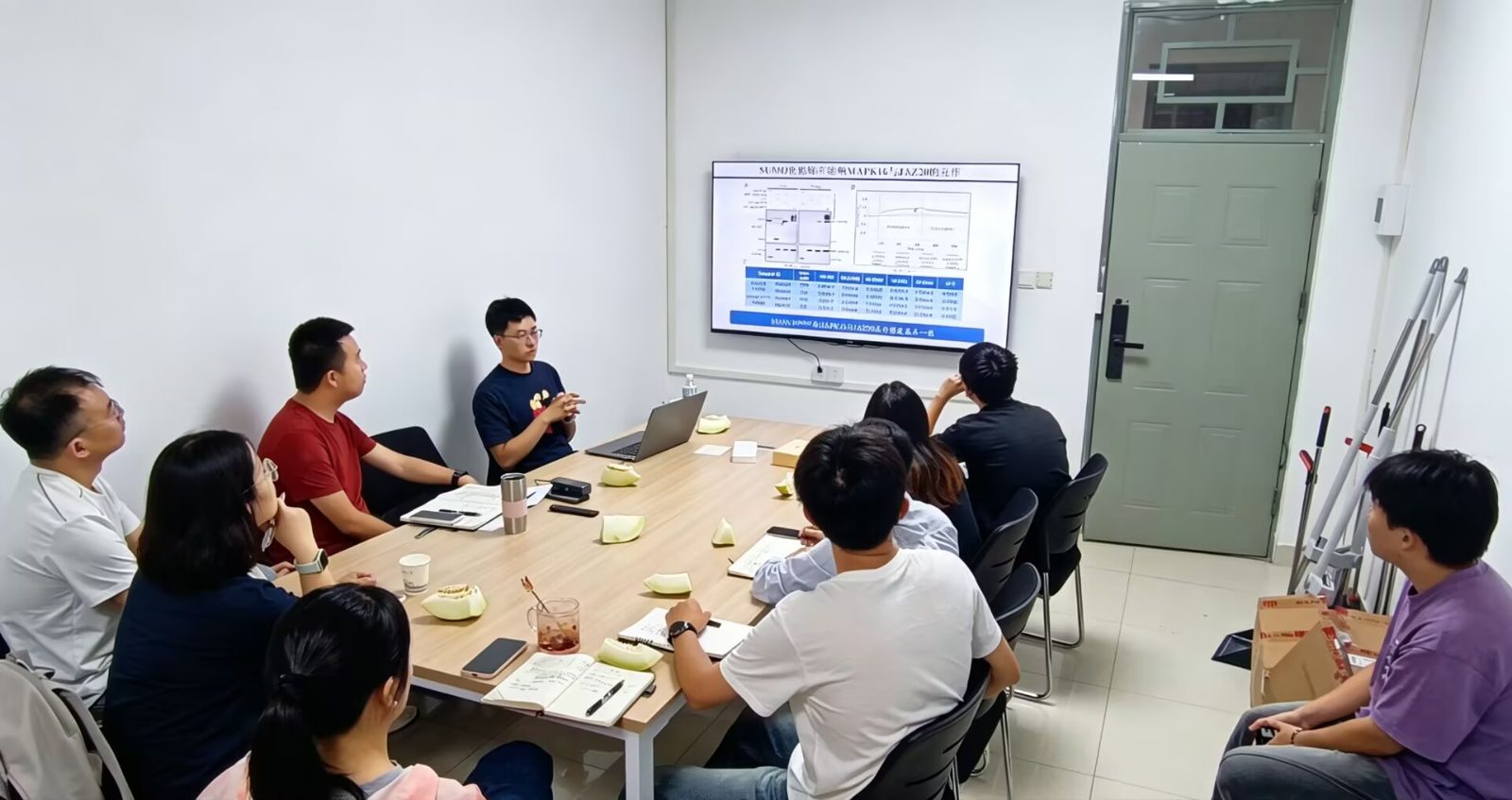
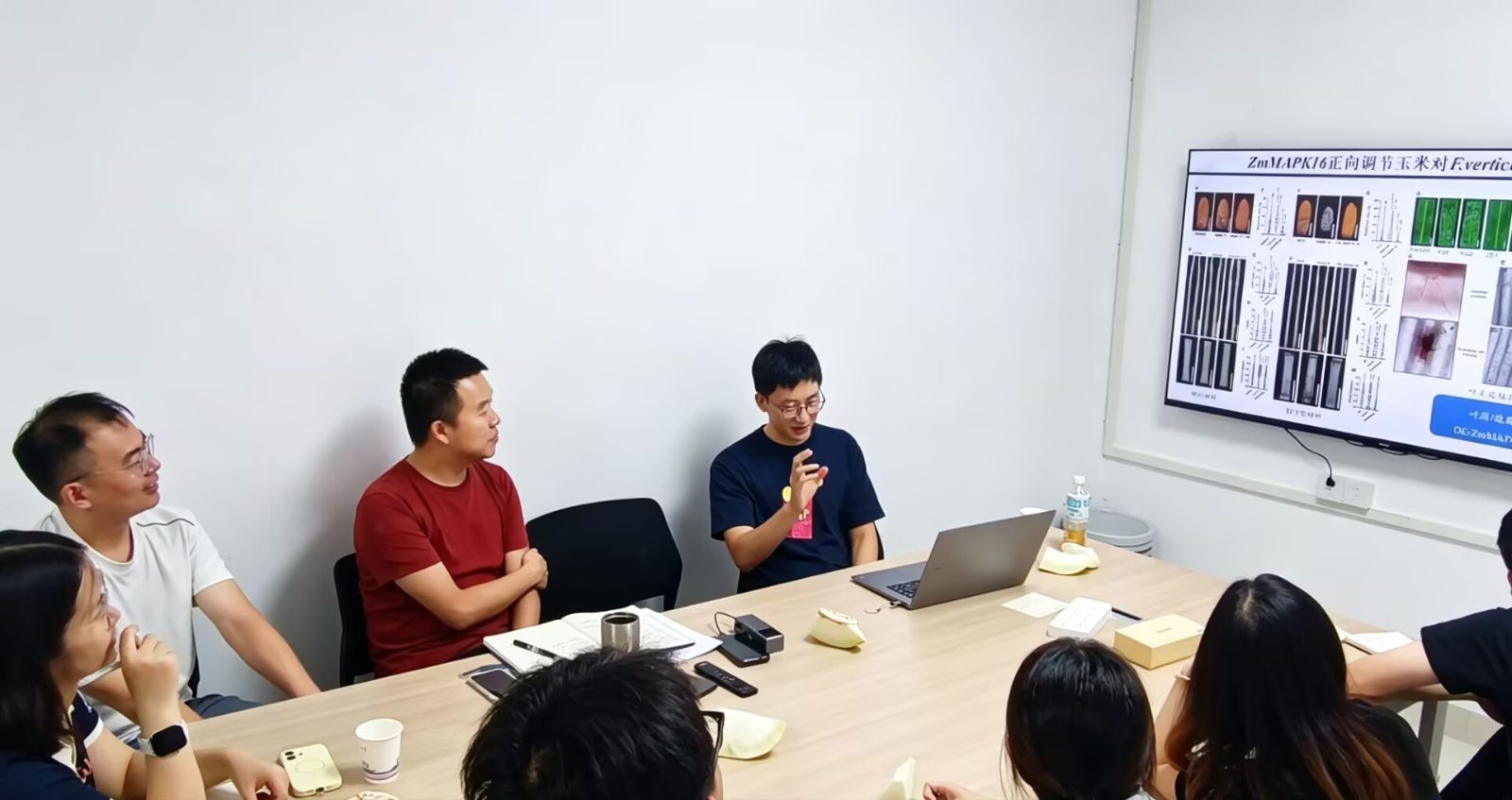
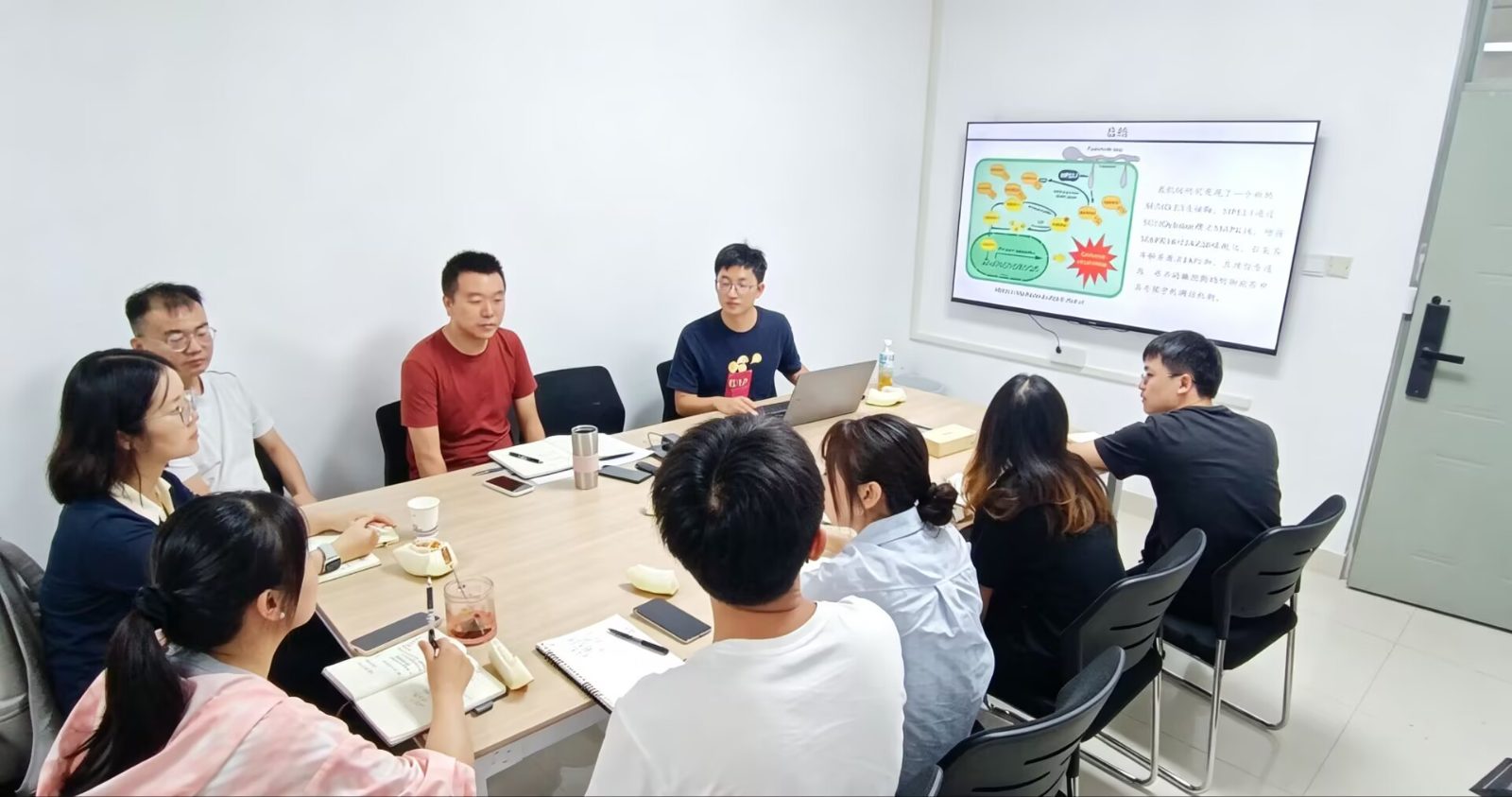
报告结束后进入互动交流环节,在场师生针对报告内容踊跃提问,围绕玉米抗病基因挖掘、互作试验设计等科学问题展开探讨,张维肖博士结合自身科研经验逐一细致解答,现场学术氛围浓厚。
III. Post‑report Session: Q&A and Academic Discussion
After the report, an interactive Q&A session was launched. Faculty and students present raised questions actively concerning the presentation content. They discussed scientific issues such as the mining of maize disease‑resistance genes and the design of interaction experiments. Drawing on his own research experience, Dr. Weixiao Zhang provided detailed answers one by one, creating a vibrant academic atmosphere on site.
报告会后,硕士生李杨飞继续与张维肖博士开展专项交流,就玉米相关课题研究思路、试验方案设计等内容进行深入探讨。完成全部交流环节后,张维肖博士结束本次来访行程,离开绵阳。
Following the report, master’s student Yangfei Li continued to have dedicated academic exchanges with Dr. Weixiao Zhang. They conducted in‑depth discussions on research ideas and experimental scheme design for maize‑related projects. Upon the completion of all exchange sessions, Dr. Zhang concluded his visit and departed from Mianyang.
四、活动总结
本次 i‑Microbiome Lab 组织的学术交流活动,顺利完成接站、学生交流、实验室参观、专题报告、一对一研讨等全部既定环节。本次活动为实验室师生搭建了和校外优秀青年科研人员面对面沟通的宝贵平台,拓宽了师生在玉米抗病、抗逆分子机制方向的学术视野,启发了课题组后续科研工作思路,同时为两校后续科研协作、人才交流奠定良好基础。
IV. Activity Summary
This academic exchange event organized by i‑Microbiome Lab successfully completed all scheduled sessions, including guest pick‑up, student discussions, laboratory tour, special academic report and one‑on‑one seminars. The activity built a valuable platform for faculty and students of the lab to communicate face‑to‑face with outstanding young researchers from other institutions. It broadened the academic horizons of teachers and students in the field of molecular mechanisms underlying maize disease resistance and stress tolerance, inspired follow‑up research ideas for the research group, and laid a solid foundation for future scientific research cooperation and talent exchanges between the two universities.